
Gastrointestinal Treatment Methods for Better Digestive Health

Digestive health plays a major role in maintaining overall wellness. The gastrointestinal (GI) system is responsible for processing food, absorbing nutrients, and eliminating waste from the body. When the digestive tract does not function properly, it can lead to discomfort, pain, nutritional deficiencies, and serious medical conditions. From acid reflux and ulcers to gallstones, colorectal disorders, and inflammatory bowel diseases, gastrointestinal problems can affect people of all ages.
Thankfully, advancements in modern medicine have made diagnosis and treatment far more effective than before. Today, patients have access to a wide range of gastrointestinal treatment methods that improve digestive health, reduce symptoms, and restore quality of life. Understanding these treatment options can help individuals seek timely care and maintain a healthier digestive system.
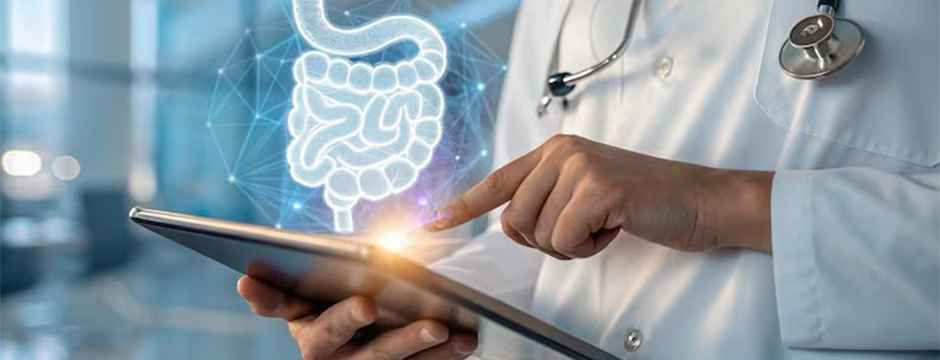
Understanding Gastrointestinal Disorders
The gastrointestinal tract includes the oesophagus, stomach, small intestine, large intestine, liver, pancreas, gallbladder, and rectum. Disorders affecting these organs can vary from mild conditions to life-threatening diseases.
Some common gastrointestinal disorders include:
Acid reflux and GERD
Peptic ulcers
Gallstones
Irritable bowel syndrome (IBS)
Crohn’s disease
Ulcerative colitis
Appendicitis
Hemorrhoids
Colorectal cancer
Hernias
Liver disorders
Symptoms may include abdominal pain, bloating, constipation, diarrhoea, vomiting, indigestion, difficulty swallowing, rectal bleeding, or unexplained weight loss. Early diagnosis is essential to prevent complications and ensure successful treatment.
Lifestyle and Dietary Modifications
One of the first approaches to improving digestive health involves lifestyle and dietary changes. Many gastrointestinal conditions are directly linked to eating habits, stress levels, hydration, and physical activity.
Healthy Eating Habits
A balanced diet rich in fibre, fruits, vegetables, whole grains, and lean proteins can improve digestion and reduce the risk of GI disorders. Avoiding spicy foods, processed snacks, excess caffeine, and fatty meals may help minimise symptoms like acid reflux and bloating.
Proper Hydration
Drinking adequate water supports digestion and prevents constipation. Proper hydration also helps maintain the mucosal lining of the intestines.
Regular Exercise
Physical activity stimulates intestinal movement and improves metabolism. Even simple activities like walking can support healthy bowel function.
Stress Management
Stress significantly affects the digestive system. Practices such as yoga, meditation, and deep breathing exercises can reduce symptoms associated with IBS and other digestive disorders.
Medications for Gastrointestinal Conditions
Medications are commonly prescribed depending on the nature and severity of the condition.
Antacids and Acid Suppressors
Patients suffering from GERD or acid reflux are often prescribed antacids, proton pump inhibitors (PPIs), or H2 blockers to reduce stomach acid production and relieve discomfort.
Antibiotics
Certain gastrointestinal infections caused by bacteria, including Helicobacter pylori infections linked to ulcers, require antibiotic treatment.
Anti-inflammatory Drugs
Inflammatory bowel diseases like Crohn’s disease and ulcerative colitis are often managed using anti-inflammatory medications and immune system suppressors.
Laxatives and Antidiarrheal Medications
Constipation and diarrhoea can be controlled through medications that regulate bowel movement and improve digestive comfort.
Enzyme Supplements
Patients with pancreatic disorders or digestive enzyme deficiencies may benefit from enzyme replacement therapy to improve nutrient absorption.
Endoscopic Procedures for Diagnosis and Treatment
Modern Gastrointestinal Treatment heavily relies on minimally invasive endoscopic procedures. These techniques help doctors diagnose and treat digestive disorders without large surgical incisions.
Upper GI Endoscopy
This procedure uses a thin, flexible tube with a camera to examine the oesophagus, stomach, and upper intestine. It helps diagnose ulcers, gastritis, acid reflux, and tumours.
Colonoscopy
Colonoscopy allows doctors to inspect the colon and rectum for polyps, inflammation, bleeding, or cancer.
ERCP (Endoscopic Retrograde Cholangiopancreatography)
ERCP is used to diagnose and treat conditions affecting the bile ducts, gallbladder, and pancreas, including gallstones and blockages.
Endoscopic Polyp Removal
Precancerous polyps discovered during endoscopy or colonoscopy can often be removed immediately, reducing the risk of colorectal cancer.
Minimally Invasive Gastrointestinal Surgery
When medications and conservative treatments are not enough, surgery may be required. Fortunately, minimally invasive techniques by the stomach surgery doctor Delhi have transformed gastrointestinal surgery.
Laparoscopic Surgery
Laparoscopic procedures involve small incisions, specialised instruments, and a camera for precise surgical treatment. This approach results in:
Less pain
Smaller scars
Faster recovery
Reduced hospital stay
Lower infection risk
Laparoscopic surgery is commonly used for gallbladder removal, appendectomy, hernia repair, and colorectal surgeries.
Robotic-Assisted Surgery
Robotic systems provide enhanced precision and flexibility during complex gastrointestinal procedures. Surgeons can perform delicate operations with improved accuracy and minimal tissue damage.
Bariatric Surgery
For individuals struggling with obesity-related digestive and metabolic issues, bariatric surgery helps achieve long-term weight loss and improve conditions such as acid reflux, fatty liver disease, and diabetes.
Treatment for Specific Gastrointestinal Conditions
Gallstones
Gallstones can cause severe abdominal pain and digestive discomfort. Laparoscopic gallbladder removal is considered the most effective treatment for symptomatic gallstones.
Hernias
Hernias occur when internal organs push through weak abdominal muscles. Surgical repair strengthens the affected area and prevents complications.
Appendicitis
An inflamed appendix requires prompt surgical removal to prevent rupture and infection.
Colorectal Cancer
Treatment may include surgery, chemotherapy, radiation therapy, or targeted treatments depending on the stage and severity of the cancer.
Hemorrhoids
Mild haemorrhoids can often be managed through dietary changes and medications, while severe cases may require minimally invasive procedures or surgery.
Importance of Early Diagnosis
Many gastrointestinal diseases become more serious when ignored. Routine screening and timely medical consultation can help detect problems early and prevent complications.
Persistent abdominal pain
Blood in stool
Difficulty swallowing
Chronic constipation or diarrhea
Sudden weight loss
Frequent vomiting
Severe acid reflux
Early intervention not only improves the advanced GI surgery Delhi but also reduces the need for extensive surgery.
Preventive Measures for Better Digestive Health
Maintaining digestive wellness involves adopting healthy daily habits and preventive healthcare practices.
Eat Balanced Meals
Avoid overeating and consume meals at regular intervals to support proper digestion.
Avoid Smoking and Excess Alcohol
Smoking and alcohol can damage the digestive tract and increase the risk of ulcers, liver disease, and gastrointestinal cancers.
Schedule Regular Health Checkups
Routine medical screenings help identify potential digestive problems before symptoms become severe.
Maintain a Healthy Weight
Excess body weight increases pressure on abdominal organs and contributes to acid reflux, fatty liver disease, and hernias.
Practice Good Hygiene
Proper food handling and hygiene reduce the risk of gastrointestinal infections.
Bottom Line
Gastrointestinal health is essential for maintaining overall physical well-being and quality of life. Modern gastrointestinal treatment methods now offer safer, faster, and more effective solutions for a wide range of digestive disorders. From medications and dietary management to advanced endoscopic procedures and minimally invasive surgeries, patients have access to comprehensive care that supports long-term digestive health.
Seeking timely medical attention is crucial for preventing complications and ensuring successful recovery. For expert diagnosis and advanced digestive care, consult Dr. Saurabh Bansal for specialised treatment and professional guidance tailored to your digestive health needs.


Comments